
Sitting For Long Hours at Desks, Heavy Backpacks, and Poor Posture Affect Students, Teachers, and Working Adults
August often feels like a fresh start. Summer vacations begin winding down, routines slowly return, and families start preparing for another school year. Students head back to classrooms, teachers spend long days planning lessons and preparing learning environments, and many adults return to more structured work schedules after taking time away during the summer months. While back-to-school shopping often focuses on supplies, clothing, and backpacks, there is another important consideration that frequently goes unnoticed: the physical demands that come with returning to a more sedentary lifestyle.
Whether you’re a student carrying textbooks between classes, a teacher standing in front of a classroom for hours each day, or an office worker returning to long stretches behind a computer, the transition back to routine often means spending significantly more time sitting, looking at screens, and maintaining repetitive postures. Over time, these daily habits can contribute to muscle tension, joint stiffness, headaches, fatigue, and musculoskeletal discomfort.
At Port Perry Wellness Centre, we often see an increase in patients during the late summer and early fall who begin noticing discomfort as their routines change. Understanding how posture, movement, and ergonomics influence the body can help reduce discomfort and support long-term musculoskeletal health throughout the school year.
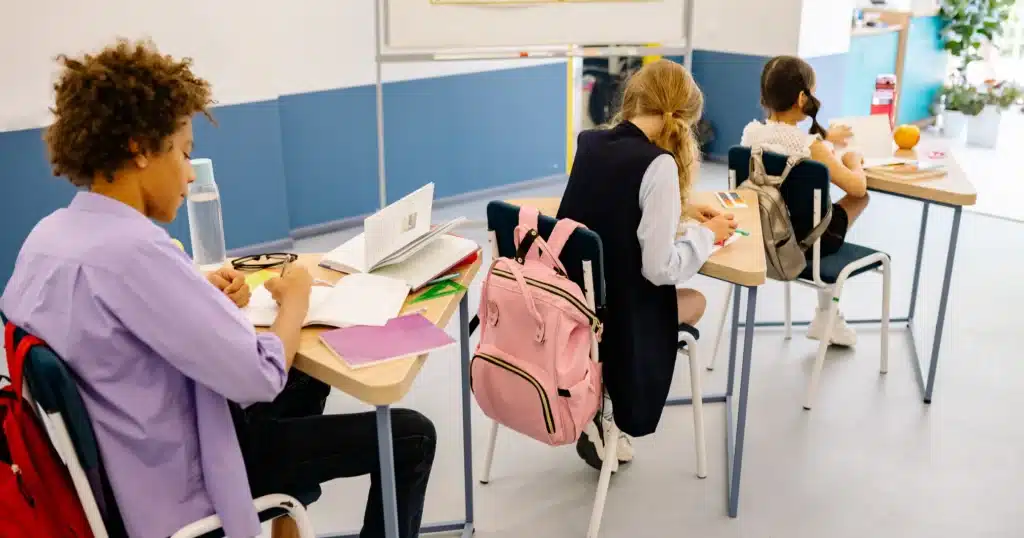
Sitting Has Become One of Modern Life’s Biggest Physical Challenges
Although the human body is designed for movement, modern life increasingly revolves around sitting. Students spend much of their day in classrooms before returning home to complete homework. Teachers often alternate between standing to teach and spending hours sitting while planning lessons, grading assignments, or attending meetings. Many parents and working professionals transition between office chairs, vehicles, and couches with very little movement throughout the day.
The issue is not that sitting itself is inherently harmful. Rather, it is the amount of uninterrupted sitting that has become so common in everyday life. Remaining in one position for extended periods places continuous demands on the muscles, joints, and connective tissues that support the spine. As fatigue develops, posture often begins to change naturally. Shoulders round forward, the head moves further in front of the body, the lower back loses its natural support, and muscles that are designed to stabilize the spine begin working much harder than intended.
Over weeks and months, these seemingly minor postural adaptations can contribute to neck pain, back pain, shoulder tension, headaches, reduced mobility, and increased muscle fatigue.
Why Good Posture Is About More Than Sitting Up Straight
For many years, posture was often simplified into one instruction: “Sit up straight.”
While maintaining good alignment is important, modern research suggests that there is no single perfect posture that should be maintained throughout the day. In fact, remaining perfectly upright for hours at a time can become just as fatiguing as slouching. Instead, healthy posture is better understood as regular movement combined with good body mechanics.
Changing positions frequently, standing periodically, adjusting workstation setups, and taking short movement breaks throughout the day all help reduce prolonged stress on muscles and joints. The body responds well to variety, and even small changes throughout the day can make a meaningful difference in reducing stiffness and discomfort.

Backpacks Matter More Than Many Parents Realize
As children and teenagers prepare for another school year, backpacks become part of everyday life. While backpacks are designed to distribute weight across the body, they can still contribute to discomfort when they are overloaded or worn incorrectly.
A backpack that is too heavy may encourage children to lean forward, round their shoulders, or compensate with altered walking patterns. Carrying a backpack over one shoulder rather than using both straps can also create uneven loading across the spine and surrounding muscles.
Parents can help support healthy posture by choosing backpacks with wide, padded shoulder straps, encouraging children to wear both straps whenever possible, and ensuring that only necessary items are carried each day. Ideally, the backpack should sit close to the body rather than hanging low toward the hips, helping distribute weight more evenly and reducing unnecessary strain. Check out our blog on backpack ergonomics to learn more on How to Keep Your Child’s Spine Safe This School Year.
Teachers Face Physical Demands That Often Go Unnoticed
When people think about physically demanding professions, teaching is not always the first career that comes to mind. However, teachers experience a unique combination of physical demands throughout the school year. Standing for extended periods while teaching, bending over student desks, demonstrating activities, carrying classroom materials, working on computers, and spending hours grading assignments all place repetitive stress on different parts of the body.
Many teachers also experience increased muscle tension during the first few weeks of school as they transition back into busy schedules after the summer break. Creating opportunities to move throughout the day, adjusting workstation ergonomics, and addressing discomfort early can help support long-term musculoskeletal health throughout the academic year.
Technology Has Changed How We Hold Our Bodies
Today’s classrooms and workplaces rely heavily on digital technology. Laptops, tablets, smartphones, and desktop computers have become essential tools for education and communication, but they have also introduced new postural challenges. Many people unknowingly spend hours looking downward at screens or reaching forward toward keyboards. As the head moves further away from the body’s natural alignment, the muscles supporting the neck and shoulders must work significantly harder to maintain stability.
This prolonged forward head posture can contribute to muscle fatigue, tension headaches, neck stiffness, upper back discomfort, and reduced mobility over time. Creating ergonomic workspaces, positioning screens at appropriate heights, and taking regular movement breaks are simple strategies that can help reduce the physical demands associated with prolonged technology use.
Small Daily Habits Have a Big Impact
One of the encouraging aspects of posture and movement is that meaningful improvements often come from relatively small changes. Standing up every thirty to sixty minutes, stretching between classes or meetings, adjusting monitor height, carrying backpacks properly, staying physically active outside of work or school, and maintaining strength and flexibility all contribute to healthier movement patterns over time.
Rather than striving for perfect posture every minute of the day, focusing on regular movement and body awareness often provides greater long term benefits.
How Chiropractic Care and Massage Therapy Can Help
As routines become busier during the back-to-school season, many people begin noticing recurring aches and pains that may have gradually developed over time. Chiropractic care and Registered Massage Therapy can play an important role in addressing musculoskeletal discomfort associated with prolonged sitting, repetitive movements, poor posture, and everyday physical stress. For all the athletes this back-to-school season, we have a full blog about the role of Chiropractic care & Massage Therapy for recovery wellness!
Chiropractic care focuses on assessing movement, joint function, and musculoskeletal health to help restore mobility and improve overall function. Massage therapy complements this approach by addressing muscle tension, soft tissue restrictions, and areas of chronic tightness that may develop through repetitive daily activities. For students, teachers, office workers, and anyone spending significant portions of the day sitting, proactive care can help support comfortable movement, improve physical function, and encourage healthier movement patterns before discomfort begins interfering with everyday life.
Preparing Your Body for a Healthy School Year
The back-to-school season represents more than new routines and busy schedules, it is also an opportunity to establish healthy habits that support long term wellness. Whether you are packing your child’s backpack, preparing your classroom for another year of teaching, or returning to a full work schedule, remember that your body adapts to the habits you practice every day. Prioritizing movement, maintaining healthy posture, creating ergonomic workspaces, and addressing discomfort early can all contribute to better physical health throughout the months ahead.
At Port Perry Wellness Centre, our team is committed to helping patients of all ages move comfortably, recover effectively, and stay active throughout every stage of life. If prolonged sitting, postural strain, or everyday aches and pains have started affecting your daily routine, our chiropractic care, Registered Massage Therapy, and adjunctive therapies can help support your overall musculoskeletal health so you can head into the new school year feeling your best.
