
What Happens Physically During Pregnancy and Postpartum and How Chiropractic Care and Massage Therapy Can Help
Pregnancy is often described as a transformative experience, but from a musculoskeletal and neurological perspective, it is also a period of rapid and constant adaptation. Over the course of nine months, the body changes its structure, movement patterns, and load distribution to support both the developing baby and the physiological demands that come with it. These changes are not minor or isolated. They affect how joints move, how muscles stabilize, and how the nervous system interprets stress and position.
At the same time, the postpartum phase is frequently misunderstood as a simple return to “normal.” In reality, it is a second phase of adaptation. The body is no longer accommodating pregnancy, but it is now recovering from it while taking on entirely new physical demands. Lifting, feeding, carrying, and prolonged postures begin to shape how the body functions on a daily basis. Without proper support, this transition can lead to persistent discomfort, compensation patterns, and long term strain.
Understanding these phases from a chiropractic and registered massage therapy perspective allows for a more informed and proactive approach to care, one that supports the body through change rather than reacting to pain after it appears.

What Is Happening to the Body During Pregnancy
As pregnancy progresses, the body undergoes structural and hormonal changes that directly affect the musculoskeletal system. One of the most significant factors is the release of relaxin, a hormone that increases ligament laxity in preparation for childbirth. While necessary, this increased flexibility reduces joint stability, particularly in the pelvis and lower back. At the same time, the growing uterus shifts the body’s centre of gravity forward. This often leads to an increase in lumbar lordosis (the natural curve of the lower back), changes in pelvic positioning, and compensatory patterns through the thoracic spine, shoulders, and neck.
Muscles that were once balanced begin to work differently. Some become overactive and tight, while others become lengthened and less effective at stabilizing. Breathing mechanics also change as the diaphragm is displaced upward, which can alter how the core functions. The abdominal wall stretches, and pressure management through the trunk becomes less efficient. This is why many individuals experience tension not only in the lower back and hips, but also in the rib cage, mid-back, and shoulders.
From a clinical perspective, these changes often present as persistent low back discomfort, pelvic instability, hip tension, and upper body strain. These are not isolated symptoms. They are the result of the body adapting to a completely new mechanical environment.
How Chiropractic Care Supports Pregnancy
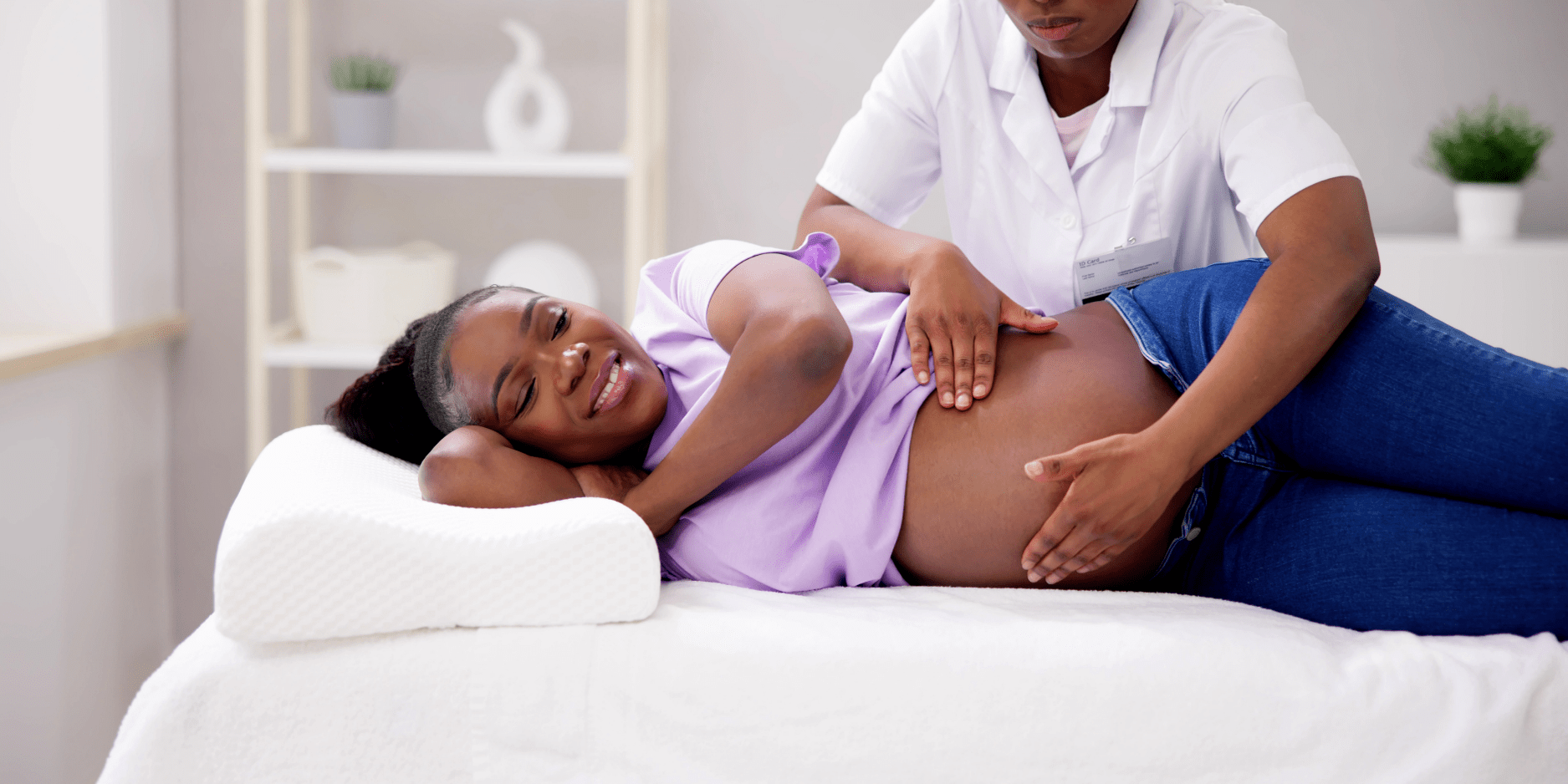
Chiropractic care during pregnancy focuses on maintaining joint mobility, reducing mechanical strain, and supporting the body’s ability to adapt to these changes as efficiently as possible. Care is always modified to ensure comfort and safety, with positioning and techniques adapted specifically for each stage of pregnancy.
Rather than forcing correction, chiropractic treatment works to improve how joints move and how the surrounding structures respond. This can help reduce compensatory tension, improve pelvic alignment, and support more balanced load distribution through the spine and hips.
As the body continues to change throughout pregnancy, regular chiropractic care can help manage the evolving physical demands, allowing for greater comfort with daily movement, standing, and rest.
The Role of Massage Therapy During Pregnancy
Registered massage therapy plays a complementary role by addressing the soft tissue component of these changes. As muscles adapt to shifting posture and load, they often develop areas of tension, restriction, and fatigue. Massage therapy helps to reduce this muscular tension, improve circulation, and support overall tissue health. It can also assist with managing common pregnancy related discomforts such as tight hips, lower back strain, and upper body tension related to postural changes.
Equally important is the effect on the nervous system. Pregnancy can place both physical and mental stress on the body, and massage therapy supports a shift toward parasympathetic activity, which promotes relaxation and recovery.
What Happens to the Body Postpartum
After birth, the body does not immediately return to its pre-pregnancy state. Hormonal influences, including elevated levels of relaxin, can persist for a period of time, meaning joint stability is still reduced. At the same time, the body is recovering from the physical demands of labour and delivery, whether vaginal or surgical.
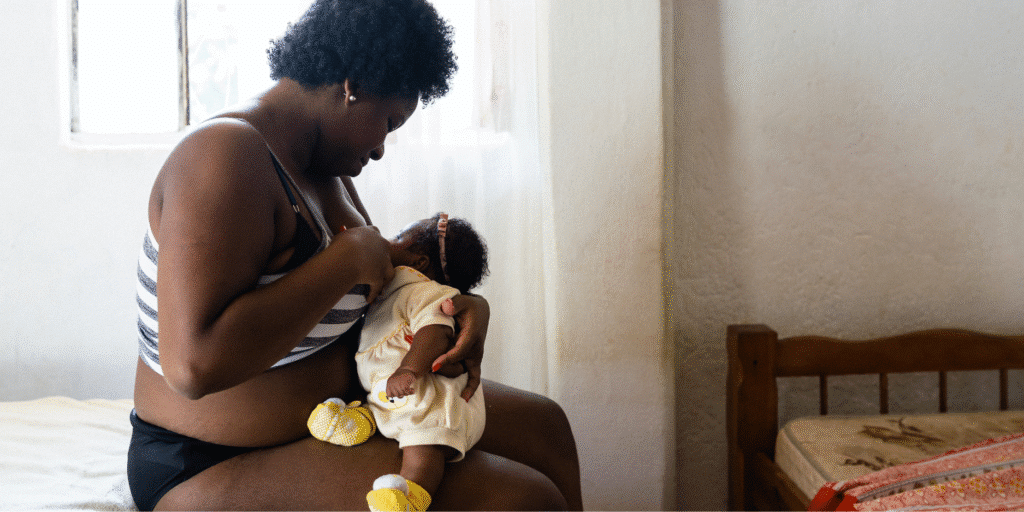
The core and pelvic floor require time to regain function and coordination. The abdominal wall, which has been stretched throughout pregnancy, begins to recover, but this process varies for each individual. Without proper support, compensatory patterns often develop, especially in the lower back and hips. New physical demands also emerge quickly. Feeding positions often involve sustained forward posture, placing strain on the neck, shoulders, and mid-back. Repetitive lifting and carrying of the baby introduces additional load, often without optimal mechanics due to fatigue and time constraints.
Sleep disruption further impacts recovery, as the body has less opportunity to repair and regulate. These combined factors make the postpartum phase a critical time for musculoskeletal support.
When to Begin Chiropractic and Massage Therapy After Birth
The timeline for returning to care varies depending on the individual, the type of delivery, and how the body is recovering. In many cases, gentle chiropractic care and massage therapy can begin relatively soon after birth, once the individual feels comfortable and has been cleared by their healthcare provider if needed. For some, this may be within a few weeks. For others, particularly following a cesarean delivery, care may be introduced more gradually. The focus during this phase is not on intensity, but on supporting recovery, restoring movement, and addressing areas of strain as they develop.
Early support can make a significant difference in how the body adapts during this transition, helping to prevent longer-term issues rather than waiting for discomfort to become persistent.

How Chiropractic and Massage Therapy Support Postpartum Recovery
Postpartum recovery places the body in a unique position where healing and new physical demands are happening at the same time. The pelvis and spine have just gone through significant mechanical stress during pregnancy and delivery, yet they are immediately required to offer support.
Chiropractic care during this phase focuses on how joints are functioning under these new demands. After birth, the pelvis may not be moving symmetrically, and the spine often compensates for both pregnancy related changes and current posture. Gentle, targeted adjustments help restore more efficient joint mechanics, which can reduce unnecessary strain through the lower back, hips, and mid-back while improving overall movement patterns.
Massage therapy addresses the muscular side of this transition. Muscles that were stretched or inhibited during pregnancy, particularly through the abdominal wall and hips, often struggle to re-engage properly, while others become overworked. At the same time, new tension commonly develops in the neck, shoulders, and upper back due to feeding and carrying positions. Massage therapy helps reduce this overload, improve circulation to recovering tissues, and support more balanced muscle function.
This phase of care is not just about relieving discomfort. It is about helping the body adapt more efficiently to its new role, reducing compensation patterns, and supporting a more stable return to strength and everyday movement.

Supporting the Transition, Not Just Managing the Symptoms
Pregnancy and postpartum are not isolated events. They are part of a continuous process of change within the body. Viewing care through this lens shifts the focus away from reacting to pain and toward supporting adaptation.
At Port Perry Wellness Centre, chiropractic care and registered massage therapy are used to support musculoskeletal health throughout both pregnancy and postpartum recovery. Care is individualized, evidence informed, and focused on helping the body move, recover, and function more effectively during each stage.
If you are currently pregnant, recently postpartum, or planning ahead, understanding how your body is changing is the first step. Supporting those changes is what allows you to move through them with greater comfort, stability, and confidence.
