
The Hidden Connection Between Mental & Physical Health
Discover in this article how stress impacts your spine, posture and pain. We will cover how chiropractic care, massage therapy, and adjunctive therapies at Port Perry Wellness Centre support whole-person healing in Port Perry, Scugog & North Durham!
Why your mind to body connection matters more than you think
When most people think about stress, they picture racing thoughts or a busy calendar. Fewer people connect stress to neck pain, back tension, headaches, jaw discomfort, or disrupted sleep. Yet the link is well established: what affects the mind influences the body, especially the spine and surrounding soft tissues that stabilize every movement you make.
At Port Perry Wellness Centre (PPWC), we take a holistic, evidence-informed approach to care. This article explains the physiology behind stress related pain, how it alters posture and movement patterns, and how chiropractic care, registered massage therapy, reflexology, and adjunctive therapies can help restore balance.

The physiology of stress: how it shows up in your spine
1) The stress response tightens muscles
When the brain perceives threat, the sympathetic nervous system releases stress hormones (e.g., adrenaline, cortisol). This heightens arousal and primes postural and paraspinal muscles to guard. Over time, this contributes to:
- Persistent upper trapezius, levator scapulae, and suboccipital tightness
- Lumbar erector spinae guarding and reduced spinal mobility
- Increased trigger points and myofascial adhesions
2) Breathing changes influence posture
Stress shifts breathing from diaphragmatic to shallow, accessory muscle breathing (upper ribs). This pattern encourages forward head posture, rib stiffness, and thoracic immobility, key drivers of neck pain, headaches, and mid back discomfort.
3) Stress, sleep, and pain sensitivity
Stress disrupts sleep quality and increases central sensitization (the nervous system’s amplified response to normal stimuli). Poor sleep impairs tissue recovery, raising the likelihood of recurrent pain flares.
4) Inflammation and recovery
Chronic psychological stress is associated with higher pro-inflammatory signalling and slower soft tissue repair. The result: stiffness, delayed recovery, and higher re-injury risk unless addressed proactively.
5) Behavioural spillover
Under stress, we often sit longer, move less, clench the jaw (bruxism/TMJ), or skip our mobility routine. These behaviours compound mechanical load on the cervical, thoracic, and lumbar regions.
Red flags that stress is affecting your musculoskeletal health
- Recurring neck/shoulder tightness by midday, and you find it is better on weekends
- Tension headaches or jaw clenching, especially during focused tasks
- Feeling “stuck” when rotating the neck or extending the mid-back
- Low-back stiffness after long sits despite a supportive chair
- Sleep that feels non-restorative + morning muscle soreness
- A sense that your posture “collapses” when you’re overwhelmed
If these sound familiar, treating the mechanics (your joints and soft tissue) and the nervous system (regulation and recovery) together can create meaningful change!

How PPWC supports the mind to body loop
Chiropractic care: restoring movement, reducing nociception
Gentle, evidence-informed chiropractic adjustments aim to restore segmental motion, reduce joint irritation, and normalize sensory input to the nervous system. Many patients report:
- Easier posture with less muscular guarding
- Improved cervical/thoracic mobility and breathing mechanics
- Fewer pain spikes during stressful weeks
Registered Massage Therapy (RMT)
Therapeutic massage targets myofascial tone, trigger points, and lymphatic flow while activating the parasympathetic (rest and digest) response. Clinically, this can:
- Reduce tension type headaches and upper-quarter pain
- Improve sleep quality and perceived stress
- Enhance tissue pliability for more durable posture gains
Reflexology: relaxation and autonomic balance
By stimulating specific points on the feet and hands, reflexology supports deep relaxation and may help modulate autonomic tone, complementing chiropractic and massage for stress-linked symptoms.
Adjunctive therapies: targeted support for stressed tissues
Used as part of an integrated plan:
- Acupuncture services performed by our chiropractor, Dr. McLennan: supports neuromuscular regulation and pain modulation for musculoskeletal and neuromusculoskeletal conditions.
- Cupping: assists with fascial glide and regional circulation, easing stubborn myofascial tension in the upper back and neck.
- Therapeutic Ultrasound: promotes local soft-tissue healing in overused regions.
- TENS: non-pharmacological pain modulation for acute or persistent pain.
- Coming soon! Laser & Red Light Therapy: non-invasive photobiomodulation to support tissue repair and reduce inflammation.
At PPWC, acupuncture is provided as an adjunctive therapy within the chiropractor’s scope for evidence supported musculoskeletal indications.
Practical posture & movement reset for stressful days
Build this 5 – 7 minute sequence into small breaks (try for twice a day):
- Box Breathing for 1 minute: Inhale 4, hold 4, exhale 4, hold 4. Encourages diaphragmatic control and down-regulation.
- Thoracic Extension over Chair for 45 seconds: Hands behind head, gentle upper-back extension to counter desk flexion.
- Chin Tuck + Lift of 10 reps: Reinforces deep neck flexors; reduces forward head posture.
- Open Book Rotations, 8 per side: Restores thoracic rotation and rib mobility for better breathing mechanics.
- Hip Flexor Stretch for 45 seconds per side : Long sitting shortens hip flexors, loading the lumbar spine.
- Standing Scapular Slides try for 10 reps: Recruits lower traps/serratus to support shoulder girdle and neck.
Consistency beats intensity. Small, frequent resets create measurable relief.
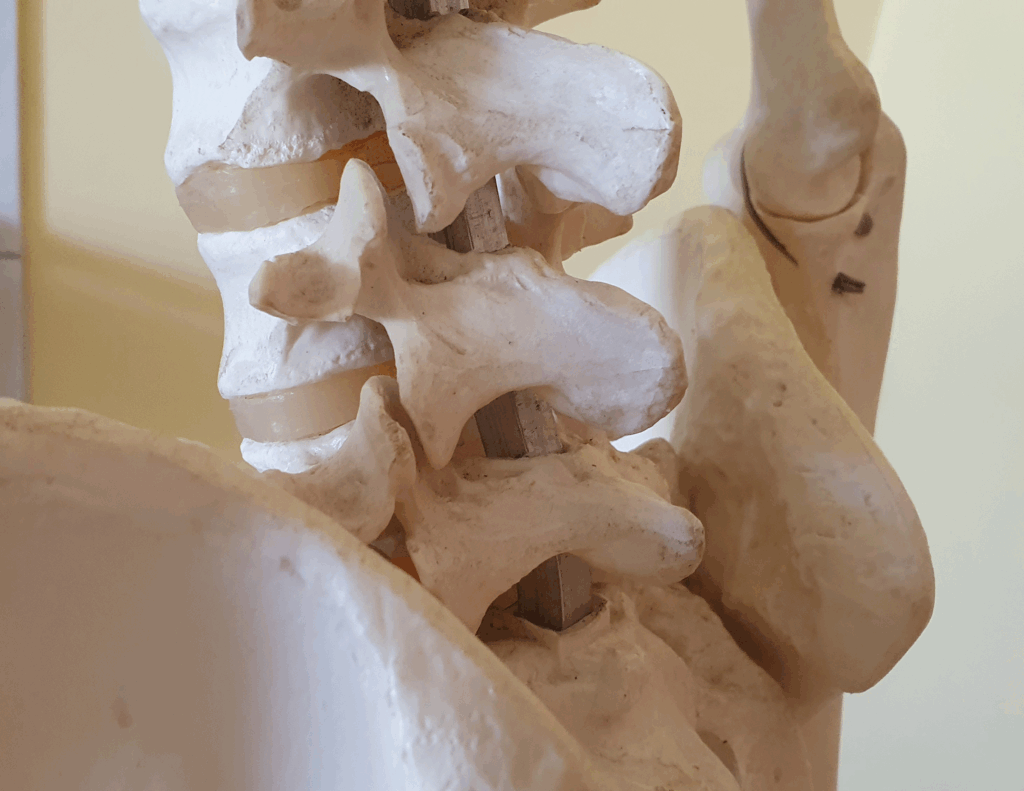
Ergonomics that defend your nervous system
- Screen at eye level; bring work to you, not you to work.
- Chairs should support your neutral pelvis (sit bones anchored, slight lumbar support).
- Keyboard close, elbows at 90°, shoulders relaxed.
- Timed micro breaks every 30 – 45 minutes! Stand, breathe, mobilize.
- Hydration + light movement snacks to keep fascia and discs nourished.
When to seek care (and what to expect at PPWC)
Seek a professional assessment if you notice any of the following for more than 1 – 2 weeks:
- Pain limiting work, sleep, or daily activity
- Numbness/tingling, radiating pain, or frequent headaches
- Recurrent jaw pain, clicking, or morning tightness (possible TMJ involvement)
- A cycle of stress → pain flare → reduced movement → more stress
Your PPWC visit may include:
- Postural and movement assessment, spinal/joint testing
- Neurological and soft-tissue screening
- A tailored plan combining chiropractic adjustments, RMT, reflexology, and adjunctive therapies (e.g., acupuncture services, cupping, ultrasound, TENS; laser/red light therapy coming soon)
- At-home strategies: breathing drills, mobility, sleep ergonomics, and pacing
Our goal is to reduce pain, restore movement, and improve resilience! So your body will learn to handle stress with less strain.
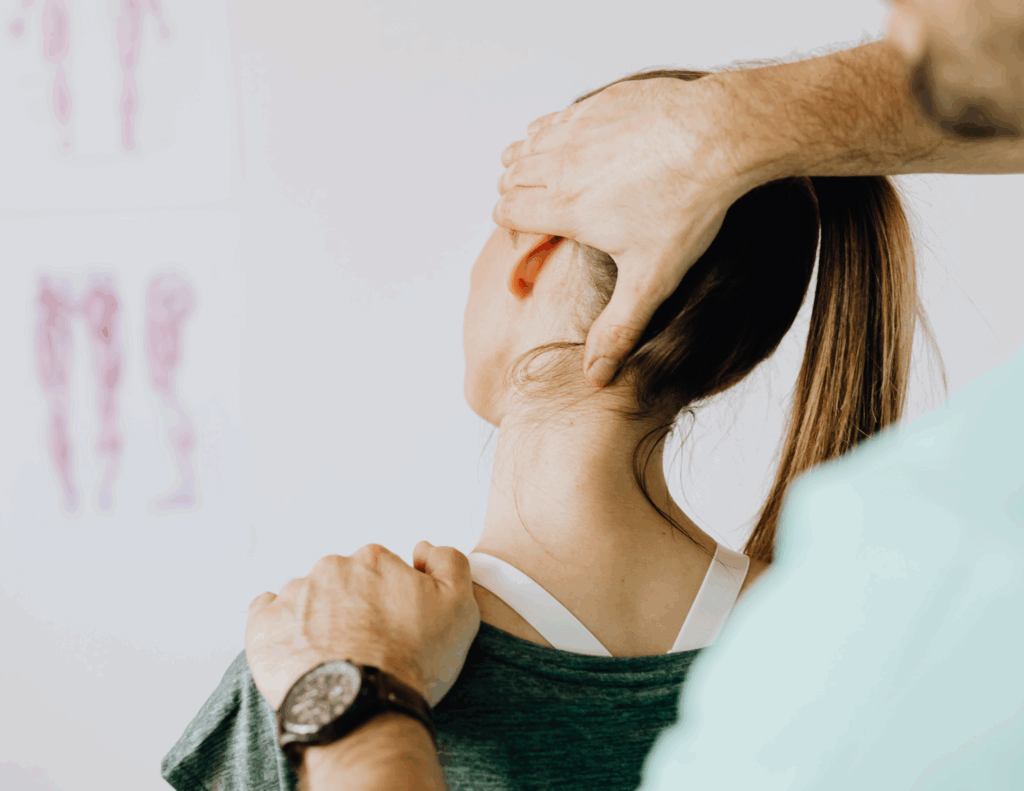
Frequently asked questions
Is chiropractic care good for stress?
Chiropractic care targets the mechanical consequences of stress: joint restrictions, muscular guarding, and altered movement patterns. By improving mobility and reducing nociceptive input, many patients experience less pain and better relaxation.
Can massage therapy really help my anxiety or sleep?
Registered massage therapy supports parasympathetic activation, which can lead to improved sleep quality, reduced muscle tension, and a calmer baseline. Key for stress management.
What’s the difference between PPWC’s acupuncture and traditional acupuncture?
At PPWC, acupuncture is an adjunctive service performed by our chiropractor, Dr. McLellan, for evidence supported, musculoskeletal and neuromusculoskeletal indications. It is integrated much like ultrasound or TENS within a clinical care plan.
How quickly will I notice results?
Some patients feel relief after their first or second session. Others improve across several visits as mobility and tissue quality normalize and home strategies take effect. We’ll discuss expectations at your assessment.
Ready to feel the difference whole-person care can make?
Stress may be unavoidable but stress related pain is not. If your neck, back, jaw, or headaches flare when life gets busy, a coordinated plan that blends chiropractic care, massage therapy, reflexology, and targeted adjunctive therapies can help you move, breathe, and sleep better. Port Perry Wellness Centre proudly serves Port Perry, Scugog, and North Durham with compassionate, evidence informed care.
Book your assessment today and begin resetting your mind to body connection!
